

Key facts
- Startup cost, once licensed
- About $17,000 to $40,000
- Hourly rate
- About $75 to $150
- Experience for a contractor license
- Often about 4 years
- Sweat Venture score
- 57 out of 100
All figures are our estimates from industry data.
On this page
What the business is
An HVAC business installs, repairs, and maintains heating, air conditioning, and ventilation systems for homes and businesses.
The draw is steady demand and repeat work. Systems break in every season, and many owners pay for yearly tune-ups.
The catch is training. Anyone who handles refrigerant needs federal EPA 608 certification, and most states require years of experience before you can get a contractor license.
Numbers to expect
These numbers come from our research of industry data and published pricing.
| TrainingA certificate or associate program, or a 3 to 5 year apprenticeship. | About 6 months to 2 years |
|---|---|
| Startup costFor a solo service technician with a used van, tools, and licensing. | About $17,000 to $40,000 |
| Hourly rateEmergency and after-hours work runs about $140 to $250 an hour. | About $75 to $150 |
| Service call feeTo diagnose the problem. | About $75 to $200 |
| Maintenance planUsually one or two tune-ups. | About $150 to $300 a year |
| Revenue per technicianSmall and midsize companies often bring in $500,000 to $1.25 million. | About $150,000 to $250,000 a year |
| Profit marginTop companies reach 15% to 25%. | About 5% to 15% |
| LicenseEPA 608 certification, plus a state contractor license that often needs about 4 years of experience. | Required in most states |
Your market will differ.
From our interviews
We interviewed Chris and Paul, the father and son behind Cleary Plumbing & Air in Palm Beach County, Florida. They started in plumbing and added air conditioning about five years before the interview, after losing jobs where the water heater sat under the air handler.
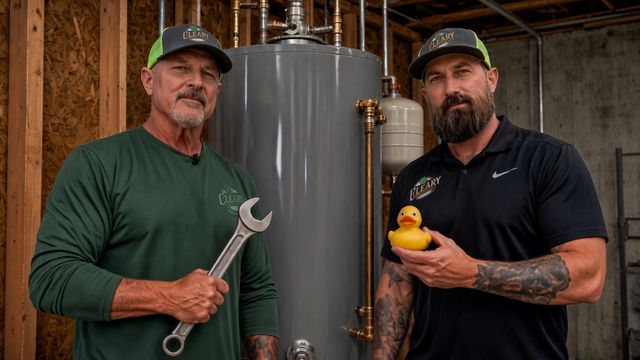 Watch on YouTube
Our interview with Chris and Paul of Cleary Plumbing & Air.
“Customers have to see value.”
Chris
How they added air conditioning (10:45)
Chris and Paul of Cleary Plumbing & AirA plumbing company that added air conditioning.Read the case studyHow to start one
- Get trained. A certificate program, an associate degree, or an apprenticeship.
- Earn EPA 608 certification. It is required to handle refrigerant.
- Work under a licensed contractor. Most states require years of experience before a contractor license.
- Get your contractor license. Check your state’s rules, insurance, and bond.
- Start with service and repair. It needs less money than installs and pays well.
- Sell maintenance plans. Yearly tune-ups bring customers back.
Before you go out on your own
- Earn EPA 608 certification.
- Check your state’s HVAC contractor license requirements.
- Get liability insurance and workers’ comp.
- Buy a reliable van and the core tools.
- Set a service call fee.
- Write a simple maintenance plan offer.
- Ask every customer for a review.
HVAC: 57 out of 100
This scores the type of business, not any owner we interviewed. It is based on our research of industry data, and your results will vary. A higher score is better for a first-time owner.
- Startup money3/5
Once licensed, a solo HVAC business starts for about $17,000 to $40,000.
Counts for 24 of the 100 points. - Speed to first income1/5
Most states require years of experience before you can get a contractor license.
Counts for 24 of the 100 points. - Earning potential5/5
Small and midsize HVAC companies often bring in $500,000 to $1.25 million a year.
Counts for 20 of the 100 points. - Repeat income4/5
Maintenance plans and seasonal repairs bring customers back.
Counts for 16 of the 100 points. - Owner time2/5
Owners usually work in the field at first.
Counts for 8 of the 100 points. - Ease of entry1/5
You need training, EPA 608 certification, and a state license.
Counts for 8 of the 100 points.
Comments
No comments yet. Log in to be the first.