
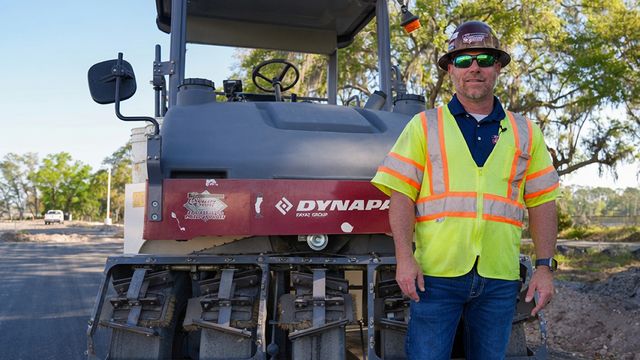
 Watch on YouTube
The full interview, about 35 minutes.
See all interviews on the Sweat Venture channel
On this page
AAA Top Quality Asphalt at a glance
Matt’s numbers
These are Matt’s own figures, as he stated them in the interview. They are not Sweat Venture estimates.
| Years in paving | 20 |
|---|---|
| Company age | About 20 years |
| Employees | 35 to 40 |
| Pieces of equipment | About 30 to 40 |
| Inside salespeople | 4 |
| Schedule backlog | 8 to 12 weeks |
| The job we filmed | About 9,000 tons |
| Asphalt temperature in the paver | About 375°F |
We have not verified these figures, and your market will differ.
Their path
- First careerTeacher and coach
About 8 years.
- Next 10 yearsAnother paving company
Project manager, then vice president of construction.
- About 10 years agoManaging partner
Mike and Scott bought AAA and brought him in.
- TodayThree crews a day
Paving two places and sealing in a third.
How they started
Matt taught and coached for about eight years. After a life change, a family member got him a job at a paving company. He stayed 10 years, moving from project manager to vice president of construction.
About 10 years ago, Mike and Scott bought AAA Top Quality Asphalt and brought Matt in as managing partner. Mike runs the equipment, Scott handles the finances, and Matt bids, sells, collects, runs the schedule, and posts on social media.
He says coaching taught him to follow up, follow through, keep a schedule, and handle people.
First equipment
The company runs about 30 to 40 pieces of equipment, including crew trucks, pavers, steel wheel and traffic rollers, trailers, and walk-behind line stripers.
Matt says new hires sometimes wear through cheap boots in a day on hot asphalt.
The business today
Matt says staying diverse helped him survive the 2008 downturn. Most days, crews head three directions: two paving jobs and one patch, seal, and stripe job.
He says residential jobs are often harder than commercial ones, because there are no drawings and expectations vary.
Pricing
Margins depend on how hard the job is. Matt says they do better when they control the schedule, and one-day jobs are good. Jobs where they work under someone else and have to start and stop pay less.
On a job that goes wrong, a few hundred extra tons can cost $30,000 or $40,000, so the office needs to know what each crew and machine can do.
He writes known trouble spots, like low areas that hold water, into the quote itself and repeats them to the field crew.
Finding customers
Work comes from relationships, word of mouth, the website, and existing customers. The owners have lived in the area for decades, and the brand is about 20 years old.
Matt says to post on social media consistently, with the same format, fonts, and phone number every time. Customers have hired them after browsing their posts, even when they weren’t the lowest bid.
“If you don’t bid it, you’re not going to get it.”
Matt, at 29:05 in the interview
Mistakes and what they would do differently
Matt says you have to ask customers what they expect versus what they want. New pavement won’t fix every low spot.
Advice for new owners
Comments
No comments yet. Log in to be the first.