
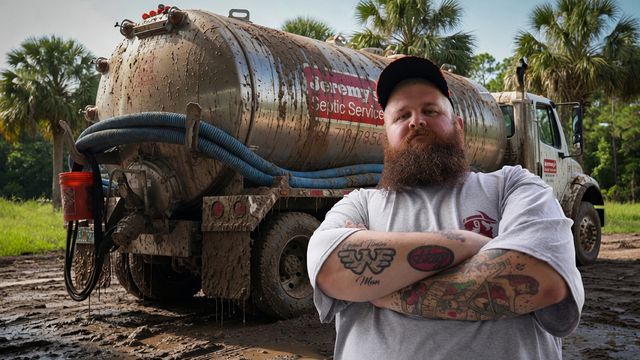
 Watch on YouTube
The full interview, about 33 minutes.
See all interviews on the Sweat Venture channel
On this page
Jeremy’s Septic Service at a glance
Jeremy’s numbers
These are Jeremy’s own figures, as he stated them in the interview. They are not Sweat Venture estimates.
| Pump-out rate, about 25 years ago | $129 |
|---|---|
| Standard pump-out rate now | $385 |
| Jobs on the books at the start of each year | About 1,000 |
| First truck | $83,000, refurbished |
| Startup loan from an investor | $100,000, paid off in 3 years |
| Drain field repair vs. replacement | About $2,000 vs. $10,000 or more |
| Dump fee per truckload | About $350 |
| Holiday or night call | Up to $1,000 |
We have not verified these figures, and your market will differ.
Their path
- Age 14First pump-out
On a job with his dad.
- DecadesSeptic work for others
Including his family’s companies.
- About 2019Opens his own company
No truck at first.
- 6 years later4 trucks
Plus a repair crew and an install crew.
How they started
Both of Jeremy’s parents are licensed septic contractors. He went on his first pump-out at 14, dropped out of school in 10th grade, and has worked in septic ever since.
When his dad sold his company, Jeremy started his own. He kept the same phone number he’d had for years, so his longtime customers followed him. He named the company after himself because customers already knew him as Jeremy.
He started without a truck. He did repairs and paid other companies to pump, until he realized he was giving away the pump-out money.
First equipment
A friend loaned him $100,000 over five years. That bought the truck, the office equipment, and setup costs. Jeremy paid it off in three years, and the friend gets free pump-outs for life.
Jeremy says his biggest regret is not buying his second truck sooner, and then waiting too long on the third.
The business today
He starts every year with about 1,000 jobs already scheduled. More than 700 are restaurant grease traps, which local rules require to be pumped on a schedule. One fast food client has 17 locations pumped every three months.
“I could survive with just what I have.”
Jeremy, at 4:53 in the interview
He says that recurring work protects him in a recession, because people still have to use the bathroom.
Pricing
His repair crew earns about double the margin of installs, because repairs skip the permit fees and loads of material. He offers to repair a failing drain field for about $2,000 instead of replacing it for $10,000 or more. If the repair fails within a year, he puts that money toward a new one.
Jeremy raises prices only as his costs rise. Dump fees go up every October. A full 4,000-gallon load is about four jobs, and about $350 of it goes to the dump fee.
Early on, a friend who owns a competing septic company called to say his bid was $1,500 too low. Now Jeremy reviews his numbers every six months. Add-ons like filter cleaning bring in an extra $100 a job.
Finding customers
About half his work is word of mouth. He also shows up near the top of Google, sponsors a high school flag football team and a local race car, and posts on community pages.
His logo, a bearded man in a hat, was made for free by a local customer, and people now recognize him by it.
When he’s too busy, he sends work to friends at other septic companies. Customers remember who got it done, not who drove the truck.
Mistakes and what they would do differently
He hires people he knows: a former coworker’s cousin, his longtime installer, a friend of that installer, and his brother. His wife runs the office.
Advice for new owners
Comments
No comments yet. Log in to be the first.