
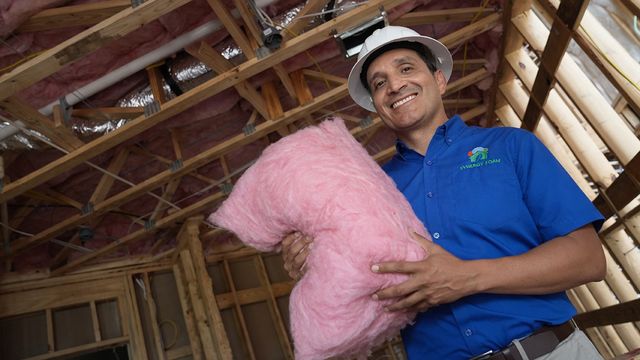
 Watch on YouTube
The full interview, about 23 minutes.
See all interviews on the Sweat Venture channel
On this page
Synergy Foam at a glance
Horacio’s numbers
These are Horacio’s own figures, as he stated them in the interview. They are not Sweat Venture estimates.
| Started as an installer | About 25 years ago |
|---|---|
| Opened Synergy Foam | 2007 |
| First crew | Himself and 2 installers |
| Years before making money | About 5 or 6 |
| Residential vs. commercial | About 50/50 |
| Apartment complexes underway | 7 |
| Biggest spray foam job | An 80,000 sq. ft. warehouse |
| Energy bill savings he cites from spray foam | About 30% to 35% |
We have not verified these figures, and your market will differ.
Their path
- About 25 years agoInstaller
At one of the biggest insulation companies in the U.S., then a supervisor.
- 2007Opens Synergy Foam
On his own, with two installers, as the economy crashed.
- 5 to 6 years inStarts making money
Hires more people and moves into selling.
- TodayFive states
Apartment complexes, custom homes, and warehouses.
How they started
Horacio started as an installer about 25 years ago at one of the biggest insulation companies in the country, then became a supervisor. In 2007, when the economy crashed, he opened his own business.
He started with two installers and did the installs himself to keep overhead down. He says it took five or six years before he started making money.
“If I finish the job, I need to start selling, do the job, and start all over again.”
Horacio, at 3:13 in the interview
Growth came when he stepped off the tools and into selling and managing, while his crew did the installs.
First equipment
Horacio says they use the newest, best-grade materials. He has seen the products improve: fiberglass used to have glass you could feel, and spray foam used to smell much worse.
One job taught him that a nearby radio tower can throw off the rig’s readings. They tried four machines before figuring it out.
The business today
Fiberglass is their most common job because of volume. Horacio says a crew can do about 40 apartment units in a week with fiberglass. Spray foam is slower but seals the space, so the AC runs less.
In summer, they get more retrofits: removing old attic insulation and spraying foam. For concrete block homes, they inject foam into the walls from outside.
Pricing
Horacio says apartment complexes bring good revenue because the crew stays on one site for a week or more. Small houses mean more driving between jobs.
His biggest daily challenge is getting jobs done with the least time and expense. His personal assistant’s job is to keep job costs down.
Commercial customers care most about safety and experience. Homeowners building their own houses give the crew more freedom.
Finding customers
Horacio is in the office by 6:00 a.m. to walk the crew through each job and answer customer calls. He says his job is to make sure everything runs smoothly.
“One small job can bring me a huge job.”
Horacio, at 22:19 in the interview
He says his edge is doing every type of insulation in-house. He has taken over jobs from competitors who couldn’t finish on time.
About two or three years ago, he started bringing women onto the crews. He says they catch small details, and the mix has worked well for quality.
Mistakes and what they would do differently
He now hires people with no experience and has his experienced “leaders” train them his way.
Advice for new owners
Comments
No comments yet. Log in to be the first.